
Democrats Took Congress. The Real Test for AI Is Only Beginning: Six Deeper Reasons
Democrats can’t rewrite AI rules quickly, but their win means much more scrutiny for the industry, from voters, governors, subpoenas, power bills, party politics and markets.
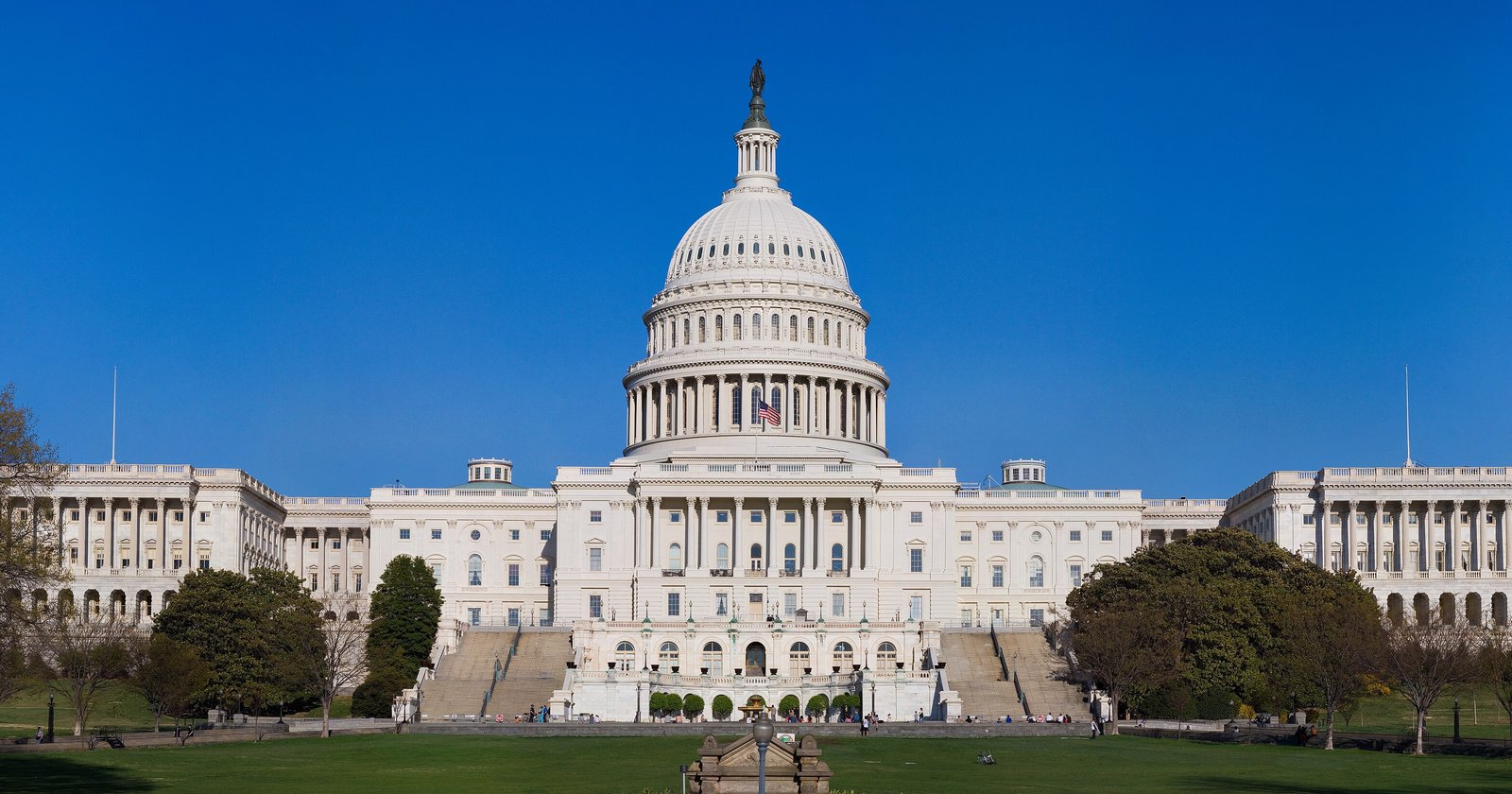
Control of both chambers won’t let Democrats rewrite any AI rules in the near term. What changes is the climate. After a stretch of mostly friendly policy, the AI industry now faces a great deal more scrutiny, and the pressure is likely to come less from new laws than from voters, governors, congressional subpoenas, electricity bills, the Democratic Party’s internal debate and the capital markets.
By the early hours of November 4 Eastern time, Democrats had secured 53 Senate seats and at least 218 House seats. The new Congress is sworn in in January 2027, and Trump remains president until 2029. Exit polls from NBC and CNBC both found that 56% of voters called AI and data centers a “crucial or major factor” in their vote. It is the first time a piece of technical infrastructure has become a national election issue in the United States.
A poster circulating in Chinese-language media this week reads: “Democrats seize both chambers and immediately push a shock bill; developing ASI treated like building nukes; up to 20 years in prison plus a corporate death penalty.” The bill and the penalties are real, but the timeline is off. Sen. Bernie Sanders and Rep. Greg Casar announced the Ban Artificial Superintelligence Act on September 3 and formally introduced it on September 23, two months before the election, so it was not “thrown out the moment they won.” It has no published list of cosponsors and is nowhere near passage.
What is new is a video Sanders posted on X on November 5: “Democrats must enact a national moratorium on AI data centers, must pause advanced AI development, and ban superintelligence.” The statement says more than the bill does. It shows the progressive wing trying to use the win to set the party’s agenda.
Our view is that the next two years will be hard on the AI industry, though nowhere near fatal. Here are six reasons.
1. Voters moved first, in both parties
The shift started with voters. Washington is following them.
- 56% of voters said AI and data centers were a crucial or major factor in their vote (NBC and CNBC exit polls).
- Voters passed 38 local ballot measures restricting data centers in California, Illinois, Maine, Ohio, New York and other states. Harwood, North Dakota, was the only town in the country to vote in favor of a data center (Redbud Consulting).
- Democrats spent more than $100 million on TV ads portraying their opponents as too close to Big Tech and data centers, and won in Ohio, Kansas and Iowa.
- Super PACs backing faster AI development spent heavily and won almost nothing. Candidates funded by Elon Musk’s anti-regulation money lost one race after another, and Musk joked on X: “Data centers in space looking pretty appealing right now.”
- The issue isn’t confined to the left. Polling by the Alliance for Secure AI found that more than 80% of Republican and Democratic voters alike support guardrails on AI. The winner of Ohio’s Senate race told supporters in his victory speech: “I do not work for data centers.”
When AI companies lobbied Congress in the past, the pushback came mostly from a handful of academics and advocacy groups. Now it comes from more than half the electorate. Lawmakers who want to keep their seats will avoid being photographed with data center developers, and that change in political cost is likely to outlast any single bill.
2. Governors hold the pause button, and Texas has a new one
Most of the attention is on Washington, but whether a data center gets built is largely up to the states, which control grid interconnection, land permits, tax incentives and utility regulation. A federal law needs 60 Senate votes and has to survive a presidential veto. A governor can stop a project with an executive order.
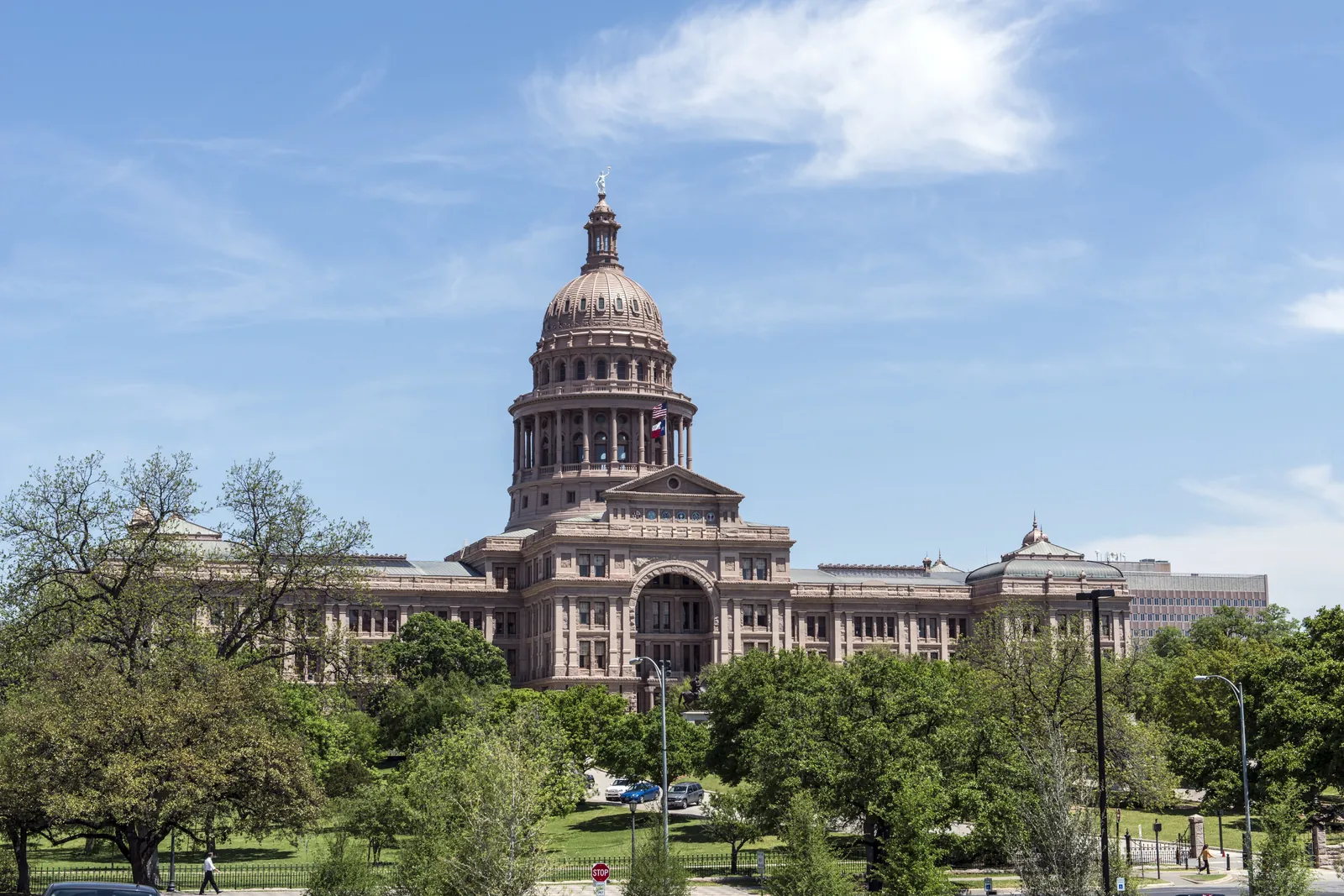
Texas matters most. It is the center of the U.S. AI buildout, and Democrat Gina Hinojosa defeated incumbent Gov. Greg Abbott there. She campaigned on a moratorium on data center construction and on ending subsidies and tax breaks for large developers. Abbott, a Republican, had already halted new grid-connection approvals in August pending an audit, so Hinojosa can extend the pause with little resistance. GLJ Research estimates this could hold up 13 gigawatts of planned data-center power in Texas.
Nationally, Cleanview data show that newly elected governors have enough authority to pause 41% of the data centers planned in the U.S. More than 100 local communities have already passed moratoriums, and 12 states are weighing statewide proposals.
For AI companies, a federal ban is a distant prospect. The nearer problem is a harder site-selection map: they have to work out which states still welcome data centers and which governors won by running against them. Projects that have secured land but don’t yet have interconnection approval are now redoing their return calculations.
3. Congress can’t pass an AI law, but it can issue subpoenas
A Democratic majority can’t pass a comprehensive AI law. It can schedule hearings, run committees and issue subpoenas, and none of that requires 60 votes or the president’s signature.
The groundwork was laid before the election:
- Rep. Greg Casar, chair of the Congressional Progressive Caucus, called publicly for AI company CEOs to testify before Congress and said he was prepared to use subpoenas. House Democrats discussed setting up a select committee on AI with subpoena power.
- Sen. Elizabeth Warren opened an investigation last December into the data centers of Google, Amazon and Meta and their “opaque agreements” with utilities.
- Rep. Gregory Meeks and Warren cited the Export Control Reform Act in asking the Commerce Department for H200 license applications and the basis for approving them.
With a majority behind them, those requests can become binding. One analyst expects “some explosive moments on camera” at hearings as lawmakers give voice to public anxiety about the technology.
For companies, the practical costs are disclosure, litigation and the risk that internal documents become public, the last of which tends to be underestimated. Companies that are regularly criticized on Capitol Hill can also see their valuations suffer. Four other tracks are already under way: FTC scrutiny of “acqui-hire plus licensing” deals, copyright litigation (Anthropic’s $1.5 billion settlement received final approval in July), antitrust, and chip revenue-sharing arrangements. Congress can’t tell the FTC or the courts how to rule, but it can apply pressure through budgets and appointments.
4. Electricity bills made AI’s costs personal
Data centers became a national issue once voters started seeing them in their power bills.
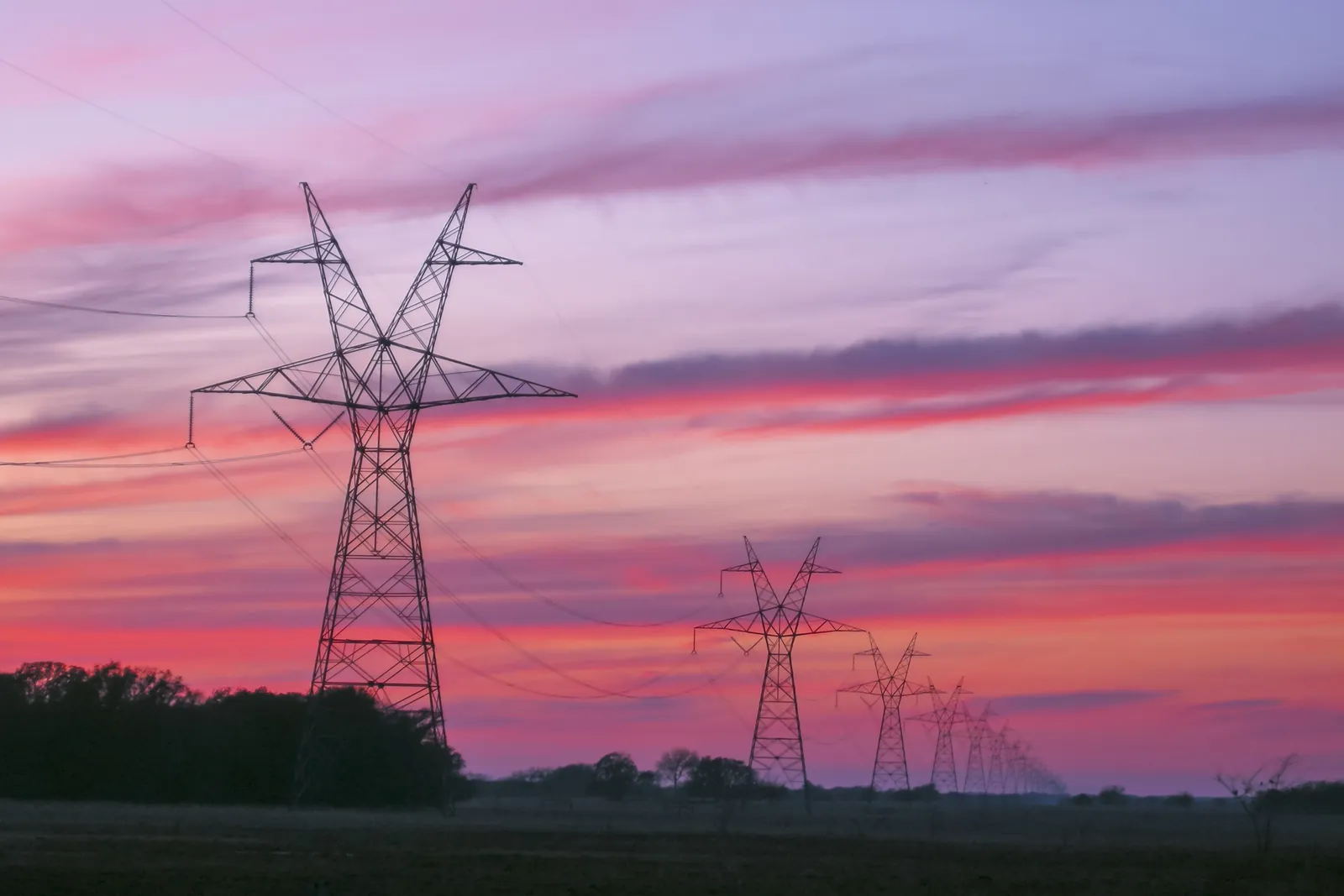

U.S. household electricity prices in 2026 are up more than 10% from 2024. Whether tech companies or all ratepayers should pay for new load turned into one of the most effective affordability issues of the midterms. Rep. Alexandria Ocasio-Cortez held up a jar of murky water at a hearing to accuse data centers of pollution, and the image traveled much further than any policy paper.
The White House saw the problem coming. In March it got seven major companies to sign a voluntary Ratepayer Protection Pledge, committing them to pay for new generation and transmission. The election suggests voters weren’t convinced. Warren has proposed taxing AI companies and data centers, and Sen. Adam Schiff is preparing legislation to protect consumers from rate increases driven by data centers.
Cost-sharing is likely to move from voluntary pledges to binding requirements, with interconnection queues, transmission upgrades and long-term power purchase agreements priced increasingly against AI companies. As one analyst quoted by Reuters put it, the AI buildout won’t disappear, but it will get more expensive.
5. The Democrats’ internal debate will set the limits
Democrats don’t share a single view on AI. There are roughly three camps, and since the election they have been competing for influence.
| Camp | Key figures | Position | What it means for AI |
|---|---|---|---|
| Guardrails (establishment) | Schumer, Warner, Klobuchar | Innovation as the “North Star”; $32 billion in emergency AI R&D funding; transparency and incident-reporting requirements | Compliance costs that can be negotiated |
| Technocrats (California) | Newsom, Pelosi, Lofgren, Khanna | Vetoed SB 1047, signed SB 53; accept disclosure, reject liability based on model size | A reference point for federal talks |
| Brakes (progressives) | Sanders, Ocasio-Cortez, Casar, Warren | National data center moratorium, ban on superintelligence, taxes on AI companies | Direct limits on compute expansion |
The brakes camp has two bills:
- The AI Data Center Moratorium Act (March 25, Sanders and Ocasio-Cortez) would pause construction and expansion of all AI data centers with loads above 20 megawatts until federal safeguards are in place.
- The Ban Artificial Superintelligence Act (announced September 3 and introduced September 23 by Sanders and Casar) would permanently prohibit developing or deploying AI systems that surpass the smartest humans, pause frontier AI development until a federal regulator sets safety rules, and create a cabinet-level Department of Artificial Intelligence. Penalties are modeled on those for illegal nuclear weapons development: up to 20 years in prison for individuals and forced dissolution for companies. The bill cites this summer’s loss-of-control incidents involving OpenAI, Anthropic and Meta models as its justification.
Neither bill is likely to pass soon. Sen. John Fetterman, a Democrat, has opposed them publicly: “I refuse to help hand the lead in AI to China.” Their influence shows up in other ways:
- Progressives have moved on from “algorithmic bias” to compute, electricity prices and wealth distribution, issues that just helped them win an election.
- The bills pull the whole negotiation to the left. Next to a ban on superintelligence with 20-year sentences, the establishment’s package of mandatory disclosure, incident reporting and third-party evaluation looks like a compromise, and AI companies are more likely to accept it.
So the more important question after the election is which camp ends up chairing the Commerce, Energy and Judiciary committees, and who sets the hearing schedule. Whether Sanders’ bill passes matters less.
6. Investors were already nervous, and the election gave them a reason
The day after the results, data-center stocks fell across the board. Compute-leasing and construction companies such as CoreWeave, Applied Digital and Cipher dropped the most, while clean-energy stocks rallied. Investors were pricing in tougher scrutiny rather than reacting to any particular bill.
Which companies fell is telling. Analysts quoted by Reuters made two points:
- “The most vulnerable AI companies are the borrowers, not necessarily the biggest spenders.” Over the past year investors have already punished companies that took on debt to build compute without visible returns. Democratic oversight will stretch project timelines and raise costs, which highly leveraged companies can least afford.
- Data centers that are already built have become more valuable. If new construction is restricted, overbuilding becomes less likely, and the grid-connected capacity that Microsoft, Google and Amazon already hold becomes scarce.
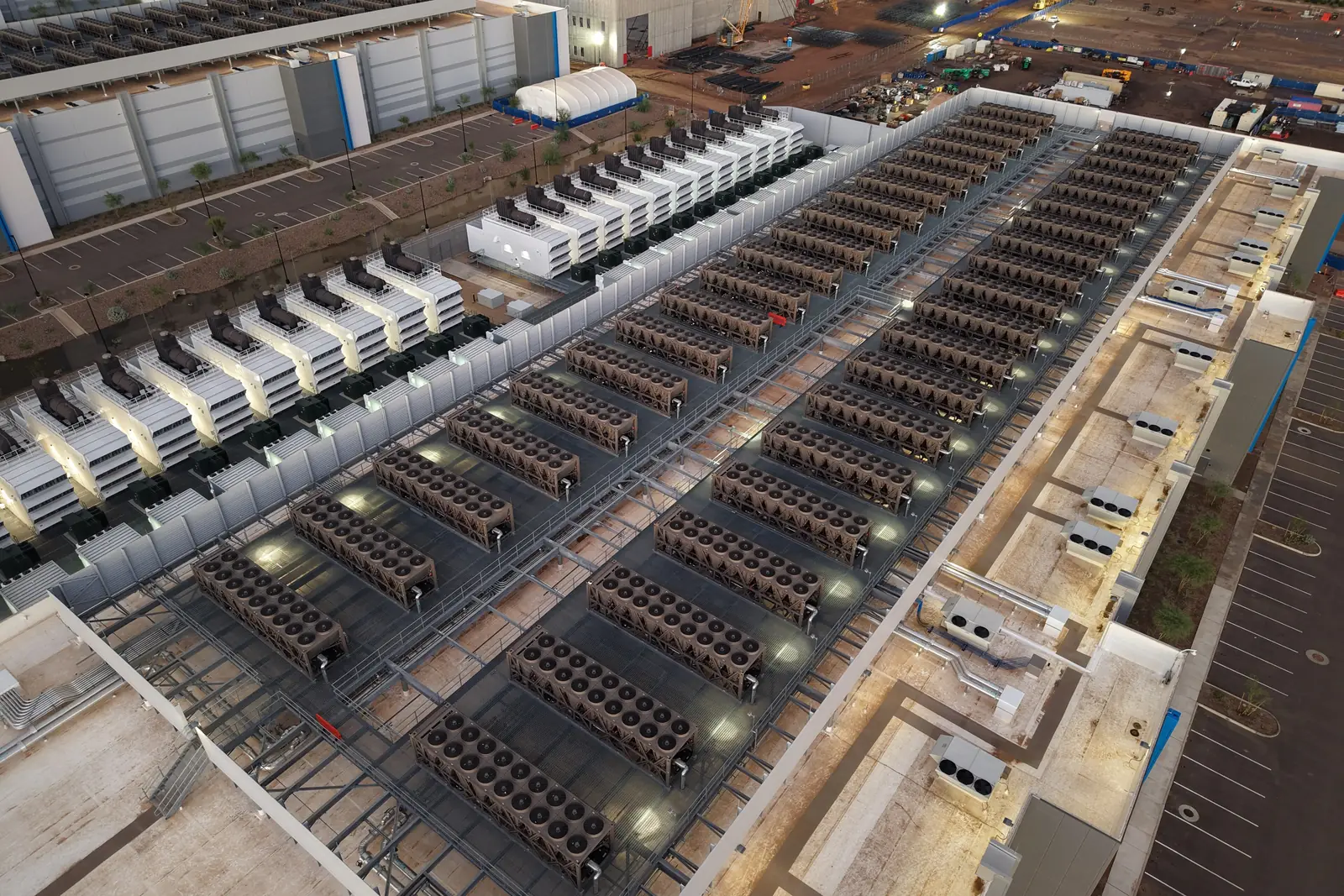

The effect on the industry is uneven, closer to a reshuffle than a broad setback. Large companies that already have power, land and cash flow will see their lead widen. Smaller companies that rely on outside funding for projects that exist only on paper will be squeezed out. Analysts generally expect AI capital spending to stay strong in 2027, with more of it going to a few companies. The “AI oligarchs” Democrats criticize could end up even more dominant as a result of this round of regulation.
Three things that won’t happen soon
First, there will be no federal AI ban. 53 Senate seats fall short of the 60 votes needed to end a filibuster, and overriding a Trump veto takes two-thirds of both chambers. Democrats aren’t united on a data center moratorium either.
Second, the White House’s AI policy won’t change. The three pillars of the 2025 AI Action Plan (promoting innovation, building infrastructure and winning international competition) remain in place. The Justice Department’s AI Litigation Task Force is still challenging state AI laws, and federal research programs such as the Genesis Mission won’t end because of an election. Congress can hold up budgets and appointments, but not executive orders.
Third, chip exports remain the Commerce Department’s call. H20 chips required licenses from April, and Nvidia took a $5.5 billion charge. Some licenses resumed in August, and H200 and MI325X then moved to case-by-case review with a 25% fee. The policy changed three times in a year, each time by executive action. A Democratic Congress will step up oversight, for instance by demanding clearer reasons for licenses and questioning the conditions attached, but approval authority stays where it is. The GAIN AI Act was considered for the defense authorization bill and then dropped, which suggests a Democratic majority won’t necessarily mean a full sales ban.
What to watch next
The election hasn’t decided anything against the AI industry, but it does mean far more scrutiny ahead. Over the next two years, expect more oversight, more negotiation and compliance demands on several fronts at once. Uncertainty in Washington will feed into power purchase agreements, interconnection applications and funding rounds.
- Committee chairs in January 2027. Whether the guardrails camp or the brakes camp leads Commerce, Energy and Judiciary will set the tone of the hearings.
- The new Texas governor’s first executive order. If Hinojosa extends the interconnection pause, other Democratic governors may follow.
- The first CEO hearing. Who is called, what they are asked and whether subpoenas are used will shape how this Congress deals with the AI industry.
This is a scenario analysis based on public statements and institutional powers. Actual outcomes depend on the remaining vote counts, committee assignments, executive action and negotiations between the parties.
Sources
- CNBC: Top Democrats call to rein in AI buildout after midterms sweep — https://www.cnbc.com/2026/11/05/democrats-data-center-restrictions-midterms.html
- TIME: How AI Backlash Shaped the 2026 Midterms — https://time.com/article/2026/11/04/midterm-elections-results-ai-industry-data-centers/
- Reuters: AI data-center stocks slide, renewables rally after Democratic sweep — https://finance.yahoo.com/energy/articles/ai-data-center-stocks-dip-113427491.html
- CBS News: Midterm elections could zap the data center buildout — https://www.cbsnews.com/news/midterm-election-results-data-center-buildout-artifical-intelligence-texas/
- Fortune: Democrat wins will slow data center construction — https://fortune.com/2026/11/04/democrats-midterm-election-2026-anti-data-center-governors-texas-georgia-ohio-ai-infrastructure-big-tech-spending-moratorium-regulations/
- Politico (via Yahoo): Democrats won big. What does that mean for AI policy? — https://www.yahoo.com/news/politics/articles/democrats-won-big-does-mean-222427670.html
- Fox Business: New political landscape facing AI after Democrats’ midterm gains — https://www.foxbusiness.com/politics/new-political-landscape-facing-ai-after-democrats-midterm-gains
- Akin Gump: Sanders and Casar Introduce Bill to Ban Artificial Superintelligence — https://www.akingump.com/en/insights/ai-law-and-regulation-tracker/sanders-and-casar-introduce-bill-to-ban-artificial-superintelligence-and-create-federal-ai-department
- Sen. Sanders’ office: Ban Artificial Superintelligence Act summary — https://www.sanders.senate.gov/wp-content/uploads/Ban-Artificial-Superintelligence-Act-Release-Summary.pdf
- Sen. Sanders’ office: AI Data Center Moratorium Act — https://www.sanders.senate.gov/press-releases/news-sanders-ocasio-cortez-announce-ai-data-center-moratorium-act
- AP: Sanders, Ocasio-Cortez push bill to impose AI data center moratorium — https://wtop.com/national/2026/03/sanders-ocasio-cortez-push-bill-to-impose-ai-data-center-moratorium/
- Axios: Democrats target data centers in AI fight — https://www.axios.com/2025/12/17/democrats-data-centers-ai-fight
- Axios: Inside Democrats’ AI division — https://www.axios.com/2026/01/08/democrats-jeffries-ai-trump
Image credits
- Header image: the west front of the U.S. Capitol. Photo: Noclip, public domain — Wikimedia Commons
- Texas State Capitol, Austin. Photo: Carol M. Highsmith, Library of Congress, public domain — Wikimedia Commons
- Transmission towers and lines at sunset in East Texas. Photo: Matthew T Rader, CC BY-SA 4.0, cropped — Wikimedia Commons
- Data center roof. Photo: Rsparks3, CC0 — Wikimedia Commons

About ClawGuard Security Lab
ClawGuard Security Lab is a Silicon Valley–based frontier research and product organization focused on AI agent security. Built by a team of experts from Stanford, UC Berkeley, Harvard, the University of Pennsylvania, as well as ex-Microsoft, Google and Meta, it is developing the next generation of AI security systems—where AI defends against AI—to safeguard the boundaries and border between humans and AI.
Website:www.ClawGuardSecurity.ai